


Alcohol intolerance doesn’t mean you become drunk faster or after drinking less alcohol. Often, people with alcohol intolerance drink less, because the symptoms they experience are so unpleasant. If you suspect an allergy or food sensitivity is to blame, it’s worth getting tested or consulting with a healthcare provider to identify the specific cause. Once you know what’s triggering your symptoms, you can make more informed choices about what—and how much—you drink, so you can enjoy alcohol without the unpleasant surprises. If you’re trying an alcoholic beverage for the first time, allergies and food sensitivities can sometimes be the hidden culprits behind a sudden alcohol intolerance.

Genetic Factors
Some alcoholic beverages contain gluten due to the use of grains during the brewing process. Some possible reasons for a sudden change in alcohol tolerance include changes in liver function, medication interactions, dehydration, stress, or changes in drinking habits. For example, if a person has not been drinking regularly and then suddenly drinks a large amount of alcohol, they may feel the effects more strongly than if they had been drinking regularly. The Recovery Village Atlanta offers comprehensive addiction treatment for drug and alcohol addictions and co-occurring mental health conditions. Of these symptoms, facial flushing is the most common and will almost always be present. With alcohol intolerance, these symptoms will begin almost immediately after exposure to alcohol.
Managing Alcohol Intolerance: Strategies and Treatments
Common reactions may include skin issues like hives and swelling (also known as angioedema), which can be uncomfortable and distressing. Symptoms may include difficulty breathing, tightness in the throat, a racing heart, and even stomach issues. The worst-case scenario could be anaphylaxis, which is really serious and can cause your throat to swell up, making it hard to breathe, and it can lead to a dangerous drop in blood pressure.
Thank you for visiting Allergy Insider
Aging also affects renal function and the balance of water and sodium in the body, increasing the risk of dehydration when consuming marijuana addiction alcohol. These factors contribute to the heightened sensitivity that older adults may experience when consuming alcohol 4. When experiencing a sudden intolerance to alcohol, it’s important to differentiate between alcohol intolerance and alcohol allergy. While both can lead to unpleasant symptoms, they have distinct causes and reactions.
Whenever you have a drink, take a moment to jot down what you consumed and any reactions you experienced afterward. Include everything from your favourite craft beer to that fancy cocktail you tried at the bar. Have you ever been out with friends, enjoying a glass of wine, only to suddenly feel flushed or nauseous? What was meant to be a laid-back evening can quickly turn into an uncomfortable ordeal.
- These antibiotics can inhibit the enzyme aldehyde dehydrogenase, which is responsible for breaking down alcohol in the body.
- In people with alcohol intolerance, a genetic mutation (change) makes ALDH2 less active or inactive.
- It is crucial for individuals with alcohol intolerance to be aware of these potential interactions and consult with healthcare professionals regarding their medication use.
- If you’re allergic to a specific ingredient in certain alcoholic drinks, switching to a different alcoholic drink may be an option.
If you can’t break the alcohol down, it stays in your bloodstream and can be toxic. If you have alcohol intolerance and are not going to stop drinking, the less alcohol you use, the better your alcohol intolerance will be. Because it is caused by your body’s inability to process alcohol correctly, drinking slowly and giving yourself time between each drink can lessen its severity. Drinking when you have alcohol intolerance does increase your risk of cancer, and you should consider trying to completely stop drinking alcohol instead of just moderating it.
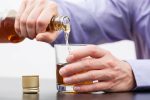
Very rarely, people who develop reactions later in life may have a more serious condition, such as Hodgkin lymphoma. Alcohol intolerance happens when your body doesn’t have the proper enzymes to break down the toxins in alcohol molecules. This is a caused by a genetic trait that is most often found in people of Asian ancestry. Allergy Insider is committed to providing accurate, evidence-based information to empower allergy patients and support healthcare providers.
Personalized Addiction Care in Atlanta
These symptoms could indicate a severe allergic reaction or other serious condition that requires prompt treatment. Finally, genetic factors and long-term drinking habits contribute to how aging affects alcohol tolerance. Some sudden alcohol intolerance individuals may have a genetic predisposition to metabolize alcohol less efficiently as they age, while others may experience cumulative effects from years of alcohol consumption. Long-term drinking can lead to liver damage or other health issues that further reduce tolerance. Recognizing these changes and adjusting alcohol intake accordingly is crucial for maintaining health and well-being in later years.
- Recognizing these symptoms is crucial, as they can escalate quickly and require immediate attention.
- This deficiency affects 8% of the world’s population, but is much more common in people of East Asian descent (at 35-40% of the Asian population).
- Alcohol intolerance occurs when your body cannot effectively break down or process certain compounds in alcoholic beverages.
- The psychological effects can be profound, with individuals experiencing anxiety or stress related to their intolerance, particularly in social settings.
Unlock your full potential today
Below, we’ll explore the signs of alcohol intolerance, https://ecosoberhouse.com/ potential causes and how quickly symptoms can show up or subside. Overall, while there is no cure for alcohol intolerance, there are many strategies available for managing its symptoms. There are several factors that can contribute to the development of alcohol intolerance. Some people may have a genetic predisposition to alcohol intolerance, which means that their bodies are unable to metabolize alcohol effectively. It’s important to note that alcohol intolerance can be mistaken for an allergic reaction.
All of these symptoms are your body’s way of telling you that something has changed. Recognising them is the first step in figuring out what’s causing the sudden intolerance and how you can manage it moving forward. If you’re interested, we go into further detail about these symptoms in our more general article about alcohol intolerance.